Women Engineers: Pioneers of Digital Transformation and Sustainability in Textiles

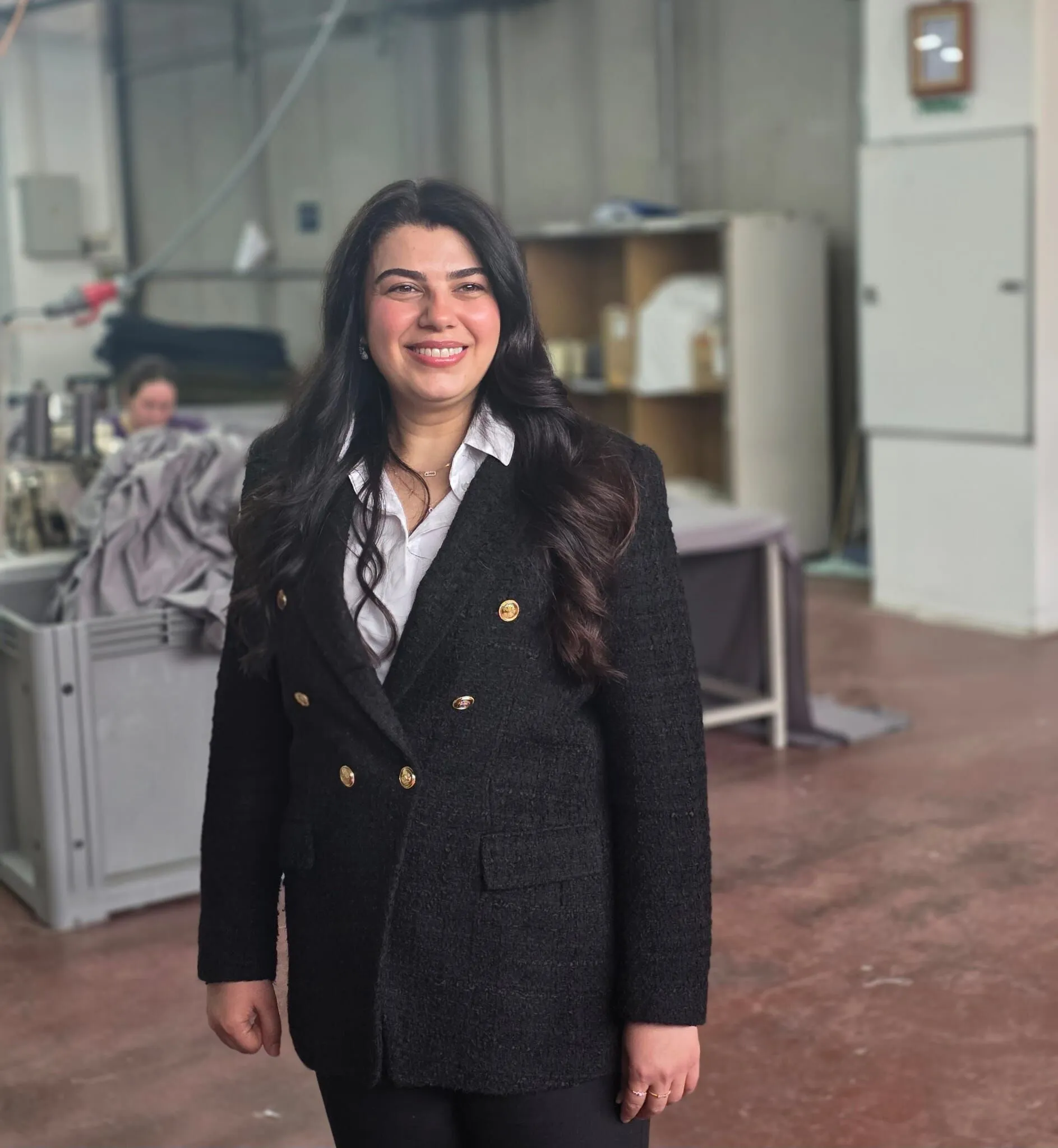
Engineering is no longer merely a profession that manages production processes or solves technical problems. With the impact of artificial intelligence, automation, and digital transformation, it has evolved into a structure capable of data-driven thinking, bringing different disciplines together, integrating sustainability into business processes, and managing change. We see this transformation particularly clearly in traditional manufacturing fields such as the textile industry. Smart production systems, data analytics, digital quality control applications, and sustainable production models are reshaping engineers’ perspectives. Women engineers are among the most important actors in this transformation. At Harput Holding, women constitute 37% of our total workforce. In particular, our women engineers within our white-collar workforce play an important role through their expertise and contributions. As a textile engineer, I also experience the advantages of being a manager in an industry with a high proportion of women employees. Throughout my education, I was also part of an academic environment in which women students were in the majority. These experiences showed me that women bring discipline, diligence, a multidimensional perspective, and a strong sense of responsibility to professional life. At Harput Tekstil, we support equal opportunities across all departments and, as a company, attach importance to increasing women’s participation in technology and engineering.
Today’s engineering requires not only technical expertise but also analytical thinking, creativity, empathy, and team management. At this point, I believe that the multidimensional perspective possessed by women engineers provides a significant advantage. Women engineers can evaluate processes not only from a technical perspective, but also in terms of people, the environment, and sustainability. Their detail-oriented approach, strong communication skills, determination to develop solutions, and aptitude for teamwork make significant contributions to innovation processes. The textile industry is a field in which consumer expectations change rapidly and creativity is at the forefront. Therefore, the approaches of women engineers, who understand the user experience and can evaluate aesthetic and technical requirements together, add significant value to the industry. The efforts of our women employees and women engineers also lie behind Harput Tekstil’s strong brand identity. The contributions of our women colleagues can be seen across numerous areas, from product development and quality processes to R&D activities and sustainability projects. Following my engineering education, I also completed a master’s degree in business management. This process enabled me to combine the systematic thinking gained through engineering with strategic management skills. I believe that engineering education provides a significant advantage in recognizing the integration between processes and developing a holistic perspective.
In the coming period, I anticipate that artificial intelligence, data analytics, smart production systems, sustainable material technologies, the circular economy, finance, and digital transformation applications will come to the forefront. Particularly in the textile industry, sustainability is no longer a preference but has become a necessity. Matters such as resource efficiency, reducing the carbon footprint, developing recyclable products, and managing environmental impacts are now at the center of engineering disciplines. At Harput Tekstil, we attach importance to integrating the United Nations Sustainable Development Goals into our business processes and place these goals at the center of every area, from production to R&D activities. During this transformation, I believe that women engineers will have a greater voice, particularly in sustainability management, AI-supported production systems, data analytics, R&D, product development, and innovation. It is now a clear fact that teams that bring together different perspectives and support diversity produce stronger solutions. I believe that, in the engineering world of the future, women will be more visible not only as participants, but also as decision-makers and leaders who guide transformation—and that they already are.
I regard International Women in Engineering Day not merely as a day of celebration, but as an important opportunity to strengthen equal opportunities and inspire women. Our most important responsibility today is to create environments where young people can express themselves freely in science, technology, engineering, and mathematics and to increase the visibility of role models. Greater participation by women in engineering is of vital importance not only for social equality, but also for building a more innovative and competitive future. At Harput Tekstil, we will continue to support stronger representation of women in every area of production, technology, and innovation. We know that strong women create strong teams, and strong teams create strong brands.
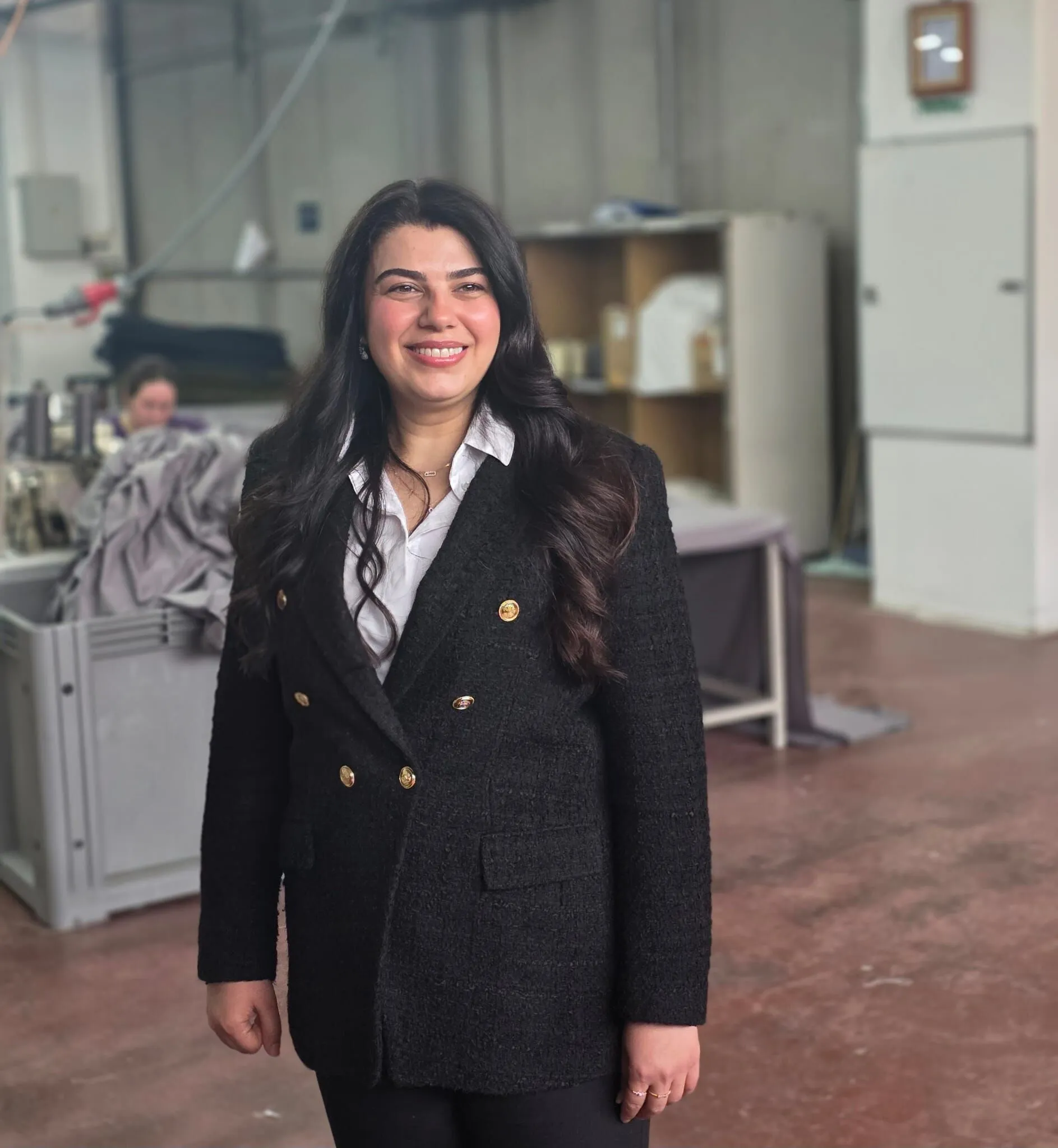
Büşra Etkeser
Member of the Board of Directors of Harput Tekstil
Textile Engineer
.png)